
[Note on Brand Evolution] This post discusses concepts and methodologies initially developed under the scientific rigor of Shaolin Data Science. All services and executive engagements are now delivered exclusively by Shaolin Data Services, ensuring strategic clarity and commercial application.
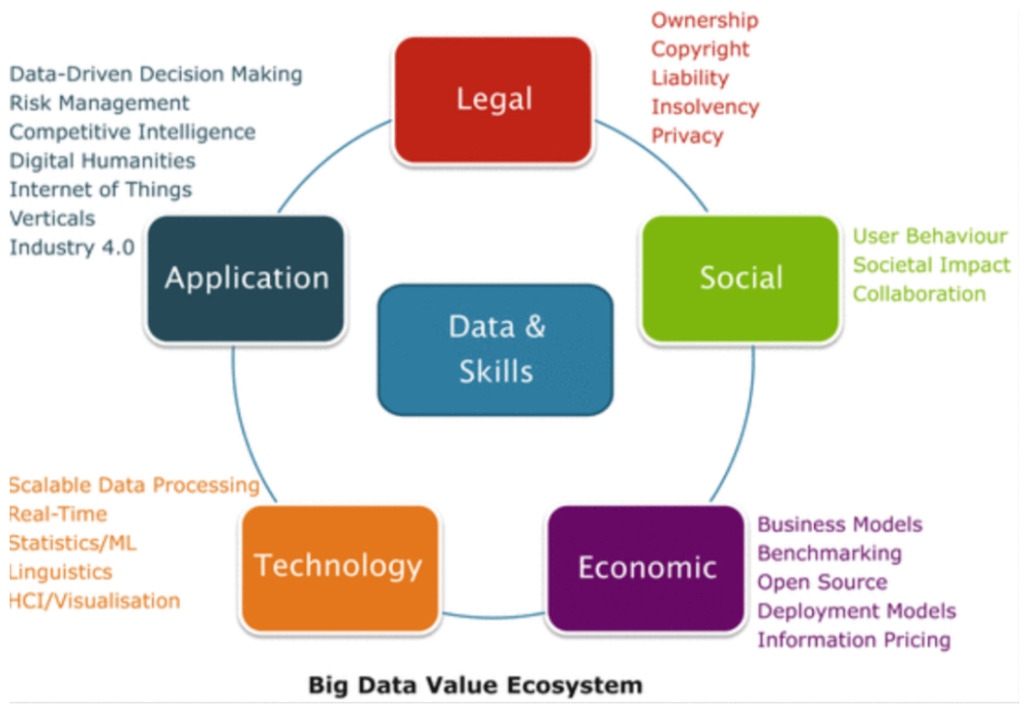
The world of big data has fundamentally reshaped the role of the data analyst and the very nature of analytics. No longer confined to the structured realms of traditional databases, modern analytics operates within a dynamic and interconnected ecosystem. This interconnectedness is a defining characteristic of the big data era, which is characterized by unprecedented volume, velocity, and variety (Laney, 2001). As the expansion of big data continues, it subsequently implies an evolution of analytics from the traditional sense of the word.
Historically, analysts were tasked with transforming data at rest within a relational database management system (RDBMS) into usable insights. Their work was meticulous and often focused on the foundational tasks of data hygiene: performing exploratory analysis to classify data into rows or columns, resolving redundancy and null values, and categorizing data types to fit the rigid structure of the database. This was a critical and disciplined role, but it operated within a limited and well-defined ecosystem.
The advent of big data shattered the confines of the traditional RDBMS. Data was no longer static and structured; it began to arrive in real-time, in formats ranging from streaming logs to unstructured text and images. The meticulous, manual processes of the past simply could not scale to meet this new reality. The data analyst, armed only with traditional tools and a mindset focused on data cleanliness, was suddenly trying to build a castle with the wrong kind of bricks.
Today, the role of an analyst is no longer just about transforming data; it’s about generating value. They must now operate as a strategic partner, working within a sprawling big data value ecosystem that includes data lakes, data warehouses, NoSQL databases, and real-time streaming platforms (Cattell, 2011). Their focus has shifted from resolving redundancy to identifying patterns in disparate data sources and from categorizing data types to extracting strategic, measurable value for the business. This is a role that demands a holistic understanding of both the technological architecture and the business goals it serves, leading to a new class of professional often referred to as a data scientist (Davenport & Patil, 2012).
The evolution of analytics is not just a change in technology; it’s a fundamental shift in mindset. It’s the move from the disciplined work of a data janitor to the strategic thinking of a value architect. It’s the journey from working with data at rest to enabling a business to thrive in a world of constant data in motion.
For a deeper dive into these concepts and a comprehensive guide to navigating this new landscape, you can explore my book, Data Science for the Modern Enterprise. It provides the framework and principles needed to build a disciplined and value-driven approach to data science in your organization.
References
Cattell, R. (2011). Scalable SQL and NoSQL Data Stores. ACM SIGMOD Record, 39(4), 12–27.
Davenport, T. H., & Patil, D. J. (2012). Data Scientist: The Sexiest Job of the 21st Century. Harvard Business Review.
Laney, D. (2001). 3D Data Management: Controlling Data Volume, Velocity, and Variety. Gartner.
 Shaolin Data Services
Leave a comment