

About the Book
In an era where data is the new currency, understanding how to harness its power is paramount for business longevity and growth. Data Science for the Modern Enterprise provides a comprehensive, disciplined framework for integrating data science principles into your organization’s core operations. This book is not just about algorithms; it’s a strategic guide for cultivating a data-driven culture that fuels business value.
It addresses the entire data lifecycle, from initial project outlining and architectural design to crucial considerations like software process improvement, data governance, and systems security. All research and references within the text adhere to APA citation standards, ensuring a foundation of professional and academic rigor. By bridging the gap between technical execution and business strategy, this book equips leaders and practitioners with a complete blueprint for success.
Target Audience & Prerequisites
This book is ideal for a broad range of professionals who seek to understand the end-to-end implementation of data science within a modern organization. It is especially well-suited for:
- Executives and Managers: Professionals who need to understand the strategic, operational, and architectural implications of a data initiative.
- Aspiring Data Professionals: Individuals who want to grasp the full project lifecycle, from a business and security perspective, not just the technical details.
- Business Analysts & IT Professionals: Anyone looking to bridge their current role with the principles and best practices of enterprise data science.
No deep programming knowledge is required, as the focus is on a strategic and architectural understanding rather than code-level execution.
Full Table of Contents
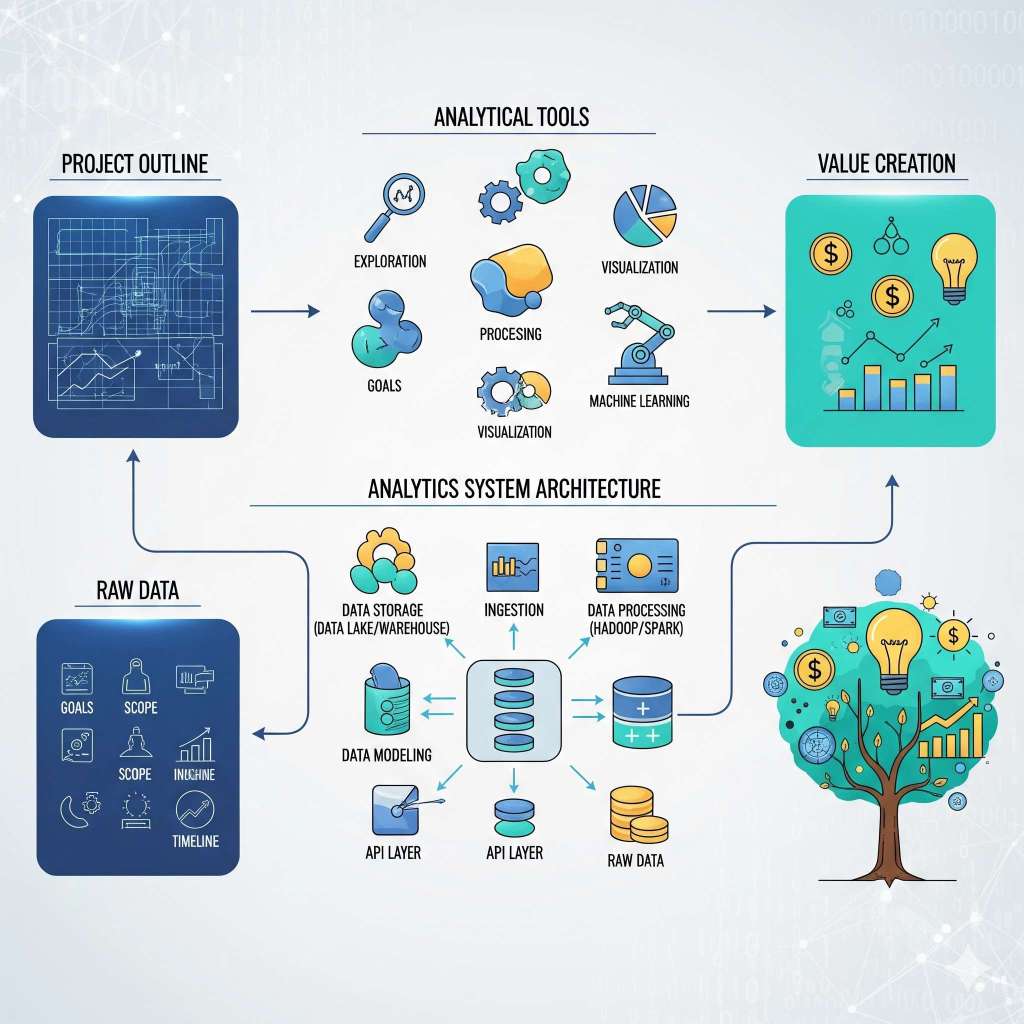
- A Foundation of Big Data
- Chapter 1: Project Outline
- Chapter 2: Identification of Opportunity
- Chapter 3: Analytical Tools
- Chapter 4: Analytics System Architecture
- Chapter 5: Analytical Techniques
- Chapter 6: Analytics Value Creation
- Software Process Improvement
- Chapter 7: Software Engineering Process Background
- Chapter 8: Software Engineering Best Practices
- Chapter 9: Metrics and Measurement Software Process Improvements
- Chapter 10: Software Quality Assurance (QA) Software Process Improvements
- Chapter 11: Risk Management Software Process Improvements

- Data Management
- Chapter 12: Data Management Strategy
- Chapter 13: Enterprise Architecture
- Chapter 14: Governance
- Chapter 15: Master Control
- Chapter 16: Security Policy
- Systems Security
- Chapter 17: Introduction to Information Security
- Chapter 17: Security Assessment
- Chapter 18: Access Controls and Security Mechanisms
- Chapter 19: Security Policies, Procedures, and Regulatory Compliance
- Chapter 20: Network Security

- Digital Forensics
- Chapter 21: Digital Forensics Services Overview
- Chapter 22: Analysis
- Chapter 23: Digital Forensics Conclusion
- Chapter 24: Risk Mitigation and Prevention Techniques

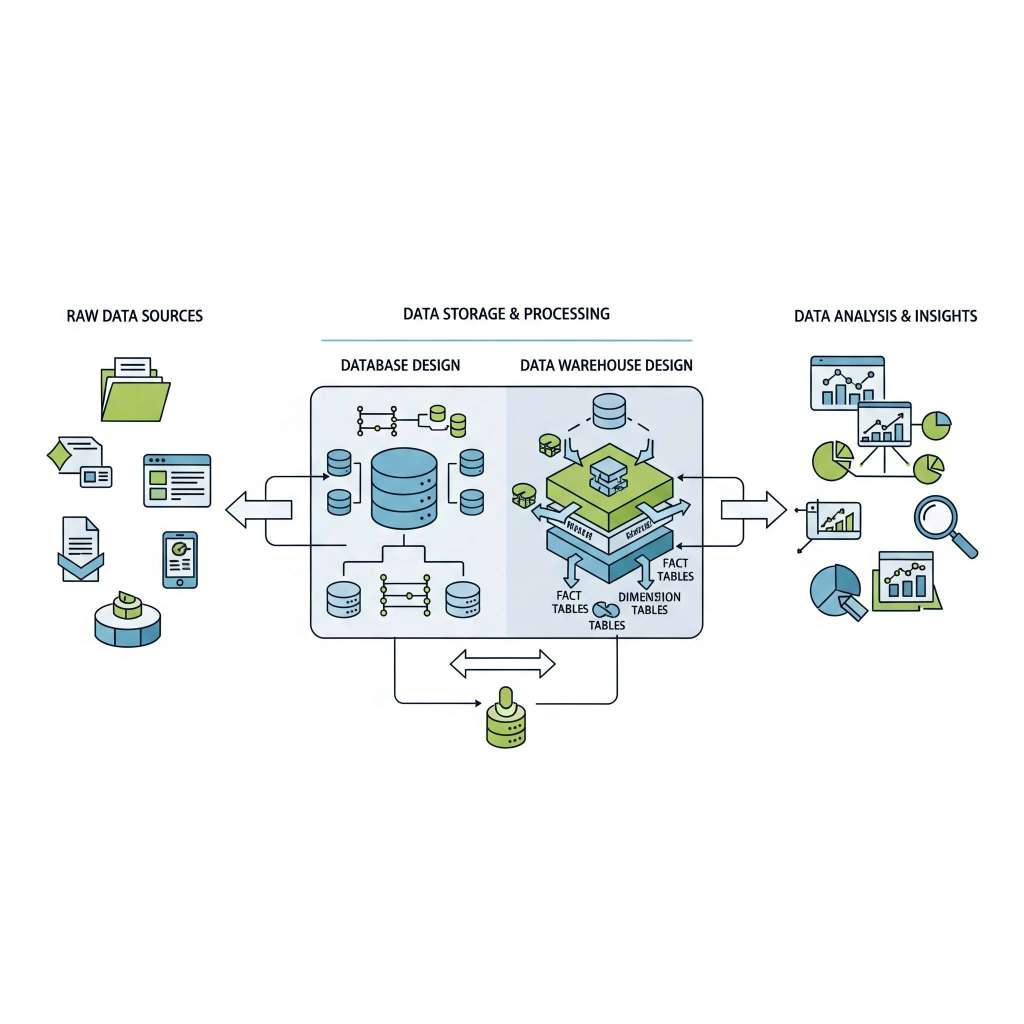
- Database Design
- Chapter 25: Database System Overview
- Chapter 26: Entity-Relationship Diagram
- Chapter 27: Structured Query Language (SQL) and Example Scripts
- Chapter 28: Database Administration
- Chapter 29: Future Database Implementations
- Data Warehouse Design
- Chapter 30: Data Warehouse Requirements
- Chapter 31: Design Requirements
- Chapter 32: Load Data
- Chapter 33: Data Analysis
- Chapter 34: Maintenance and SQL Scripts
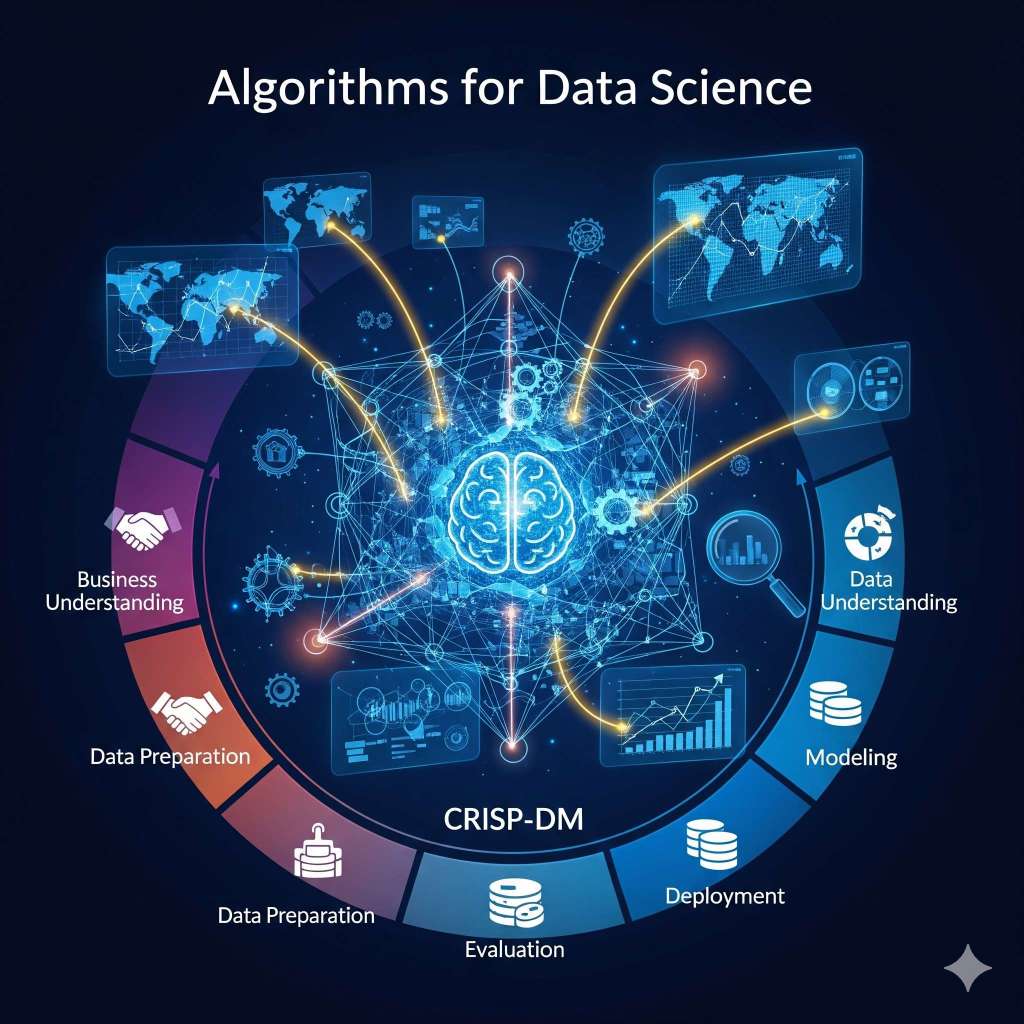
- Algorithms for Data Science
- Chapter 35: Executive Summary
- Chapter 36: Machine Learning Opportunity
- Chapter 39: Data Analytics with R
- Chapter 40: Performance Evaluation in R
- Chapter 41: Data Visualizations
- Chapter 42: Visualizing Answers In The Data
- Chapter 43: Streaming Data
- Chapter 44 CRISP-DM
- Future Research Directions
- Chapter 45: Problem Identification
- Chapter 46: Project Gestalt Core Proposal
- Chapter 47: Research Methodology
- Chapter 48: Conclusion and Future Works

From the Author
Having spent years at the intersection of data science and enterprise strategy, I’ve observed a recurring challenge: the gap between technical expertise and strategic implementation. Many organizations invest heavily in data infrastructure and talent, yet struggle to translate that investment into tangible, lasting business value.
I wrote “Data Science for the Modern Enterprise” to bridge this gap. This book is a direct result of my own journey and the disciplined approach I’ve cultivated—one that treats data initiatives not as isolated technical projects, but as a holistic, end-to-end discipline. It is a blueprint for building resilient, secure, and valuable data systems that will serve your organization for years to come. My goal is to provide you with the strategic framework, not just the code, to master your data and drive real, meaningful change.
Get Your Copy Today
Ready to build a resilient, future-ready data strategy for your organization? Get the full blueprint with Data Science for the Modern Enterprise.
 Shaolin Data Services